The $3 ‘Cover Charge’ Cannabis Retailers Are Leaving on the Table
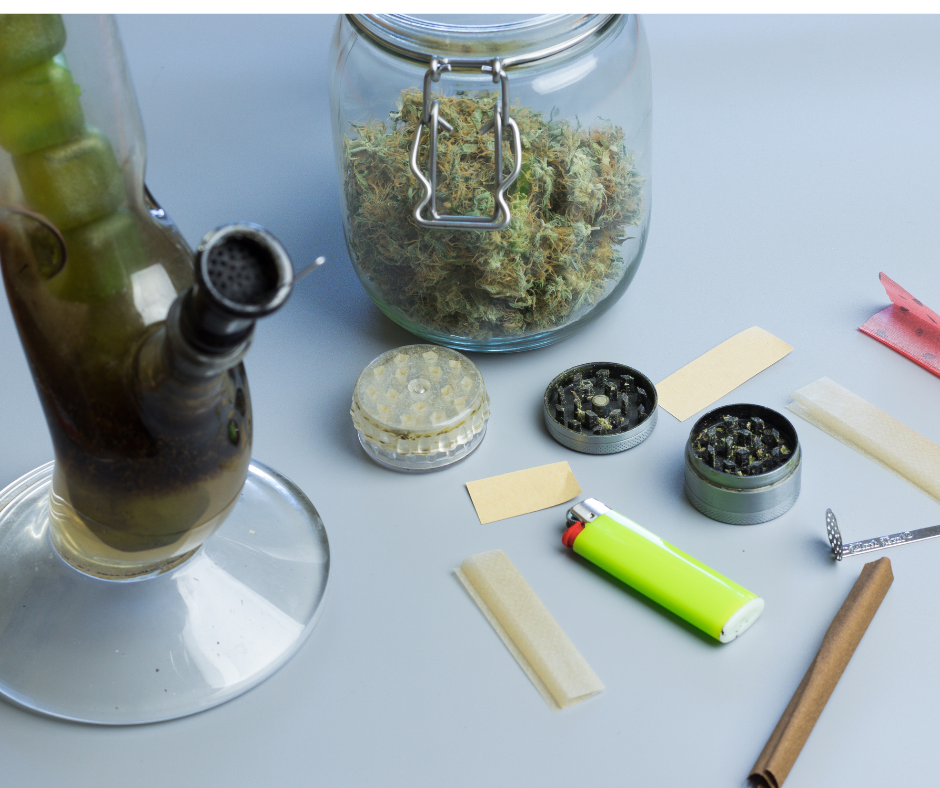
Imagine every customer who enters a dispensary paying the business an additional $3.
No new entrance fee. No increase in cannabis prices. No additional foot traffic required.
The retailer simply captures about $5 in accessory sales per customer, with an average gross margin of roughly 60%. That produces approximately $3 in additional gross profit from a person who already walked through the door intending to make a purchase.
Across hundreds or thousands of transactions, that $3 begins to look less like incidental revenue and more like a meaningful response to the cannabis industry’s profitability problem.
Yet most dispensaries remain a long way from that goal.
The industry has spent years debating how to increase traffic, protect cannabis margins, and compete against discounting. Meanwhile, it routinely allows customers to leave the store without everything they need to consume the products they just bought.
Accessories often represent only 1% to 2% of dispensary revenue, according to internal LuvBuds data, even though they are legal consumer products with some of the strongest margins available to retailers. The issue is not that customers do not want grinders, batteries, cones, trays, storage products, cleaning supplies, or glass. Most stores have not made those products visible, accessible, or easy to purchase.
Customers should not need a second stop
A flower customer may need a grinder, lighter, pipe, or rolling papers. A vape customer may need a compatible battery. Someone investing in premium flower may benefit from proper storage. Anyone who regularly uses glass eventually needs cleaning supplies.
These purchases should be part of the same transaction.
Traditional retailers understand this instinctively. Shoe stores sell socks and laces. Electronics retailers sell chargers and protective cases. Grocery stores place complementary products together to increase basket sizes. It is a tried-and-true strategy because making customers visit a second business is bad retail.
Cannabis developed differently. Dispensaries became highly sophisticated at managing regulated products while treating the tools used to consume them as someone else’s problem. When stores do sell accessories, the products are often placed behind glass, scattered near the register, or selected haphazardly instead of based on actual sales performance.
That approach leaves revenue on the table and creates a disappointing customer experience. When a shopper cannot find a basic accessory at the dispensary, the retailer sends that person to a smoke shop, convenience store, or online seller to complete the transaction.
Dispensaries already acquired the customer and earned their trust. They should be able to complete the purchase.
The opportunity is measurable
The results change quickly when retailers treat accessories as a managed category.
Across more than 120 stores participating in our merchandising and inventory programs, accessory sales have increased by at least 80%, with some locations recording gains of up to 300%.
That growth does not come from attracting a different kind of customer. It comes from bringing the right products onto the sales floor, presenting them coherently and keeping them in stock.
A successful accessories category does not require turning a dispensary into a sprawling head shop with hundreds of bongs. Most stores can capture the majority of the opportunity with approximately 40 to 50 carefully selected products.
The exact assortment should vary. An urban adult-use store, a neighborhood medical dispensary, and a tourist-focused retailer have different customers. Each should identify the products that sell consistently, maintain appropriate inventory levels, and eliminate the dead stock taking up valuable space.
The objective is not abundance. It is disciplined availability.
A $500 piece of glass probably does not belong in every dispensary. A dependable $10 or $25 piece might. Customers may not expect an enormous wall of specialty products, but they reasonably expect to find a battery, grinder, cone, or basic pipe where they purchase cannabis.
Displays cannot succeed without execution
Merchandising matters, but a display by itself will not solve the problem.
Products must be replenished. Sales velocity must be tracked. Underperforming items must be replaced. Budtenders must understand what is available and how it fits into the customer’s purchase.
The cannabis industry frequently underestimates the importance of that final point. Budtenders remain enormously influential, but many receive extensive education about flower, concentrates, and edibles with almost no guidance about the accessories that support those purchases.
The recommendation does not need to feel like an aggressive upsell. It can be as simple as asking a vape customer whether they have the correct battery or reminding a flower customer that proper storage can help protect the product they are buying.
That is service, not pressure.
Retailers also need someone to own the category. When responsibility is loosely spread among store managers, buyers, and frontline staff, inventory gaps appear, and displays deteriorate. Vendor-managed inventory can help, but only when the retailer and vendor remain accountable for keeping the program functioning at the store level.
The opportunity is straightforward, but the execution must be consistent.
A category is moving toward the dispensary
There is also a larger shift occurring outside cannabis retail.
Smoke shops have historically captured much of the accessory business, but many now depend heavily on product categories facing increasing regulatory pressure, including flavored nicotine vapes, intoxicating hemp products, and kratom. Those regulatory decisions are threatening profit centers that have historically supported their broader merchandise selections.
In Denver, where LuvBuds is headquartered, a flavored-nicotine ban that took effect Jan. 1 affected approximately 575 retailers. One smoke-shop owner told Denver7 that flavored nicotine had accounted for roughly $750,000 in annual sales — about half of her business. Whatever one thinks of these policies, the retail consequences are real.
Dispensaries have an opportunity to reclaim the cannabis-specific portion of that market.
They already possess the customer relationship, the relevant product knowledge, and the controlled retail environment. They do not need thousands of products or cases filled with novelty glass. They need the core assortment that solves the needs of most customers most of the time.
Accessories will not fix every structural problem facing cannabis businesses. They will not change tax policy, produce federal banking reform, or reverse wholesale compression.
But retailers cannot build their plans entirely around reforms they do not control.
They can control what is displayed in their stores. They can control whether essential products are in stock. They can train employees to complete the customer’s purchase. And they can capture an additional stream of high-margin revenue from traffic they already have.
In an industry where profitability often feels dependent on Washington, state regulators, or the next market cycle, earning another $3 in gross profit from the customer already standing at the register is a decidedly practical place to start.

It Smells Like Weed Everywhere – Cannabis Etiquette in 2027 and Beyond Greening Out: Why a Cannabis-Induced Psychedelic State is No Joke
Comments are currently closed.