International Cannabis News
The World Is Going To Be Looking To Canada On Cannabis Legalization
The federal health minister says “the world is going to be looking to Canada to make sure we do the job well” when it comes to legalizing and regulating marijuana.
In an interview with CBC News, Jane Philpott said the government will look abroad for best practices, but said she doesn’t see a perfect model anywhere.
Prime Minister Justin Trudeau campaigned on the legalization and regulation of marijuana for recreational use, and has mandated Philpott, along with Public Safety Minister Ralph Goodale and Justice Minister Jody Wilson-Raybould, to create a federal-provincial-territorial process to accomplish that.
Philpott said the government will create a task force to consult with legal authorities, public safety officials and Health Canada scientists, who already have a role in regulating products with health risks such as tobacco.
Scientists in her department have already started to brief her on the topic, she said.
Philpott, a family doctor, has four children, including one who is a teenager. She said she tries to have open conversations with all of them about a range of health issues, including marijuana.
Those conversations have convinced her the current system of prohibition and criminalization is not working.
“I think if any of your viewers, if they ask their teenage children, they can verify for them that [marijuana] is far too accessible. And obviously there’s issues around safety and concentrations that are available in certain products are very dangerous,” Philpott said.
“Often the products are not pure, and that’s something that’s a serious health concern for us.”
Philpott said it is too early to speculate on what kind of restrictions will be placed around the sale of marijuana, such as an age limit — but she said her government is committed to keeping it away from teenagers.
“It’s extremely important to me as a young parent and as a [health-care] provider to make sure we keep marijuana out of the hands of kids and young people, whose brains are developing. And at the moment, unfortunately, it’s extremely accessible,” she said.
Pot in corner stores?
The Opposition Conservatives did not respond to a request for comment Friday on what they want to see in the government’s legislation.
But during the election campaign, the Conservatives were critical of the Liberal plan, telling voters it would lead to marijuana being sold in corner stores, where teenagers could get their hands on it easily.
Trudeau said he didn’t think corner stores would be the best place to sell marijuana, suggesting staff weren’t always rigorous enough in checking ID.
(The industry association that represents convenience stores noted at the time it hasn’t advocated for the right to sell marijuana, though it wasn’t happy with Trudeau’s characterization of its members’ handling of age-restricted products.)
Philpott said most health-care providers are not opposed to the Liberal Party’s plan on marijuana.
“I would say they are cautious about this, as I am. We need to be cautious about it,” she said. “But I think most thoughtful Canadians recognize that the current system isn’t working and they’re looking to us to make sure we make a wise decision.”
The Canadian Medical Association declined to comment, saying only “we acknowledge the complexity of the issue and the varying perspectives.”
News Moderator: Jacob Redmond 420 MAGAZINE ®
Full Article: The World Is Going To Be Looking To Canada On Cannabis Legalization
Author: Susan Lunn
Contact: Contact Page
Photo Credit: Tim Hussin
Website: CBC News
Canada: City’s First Medical Dispensary A Major Step Forward In Pain Treatment
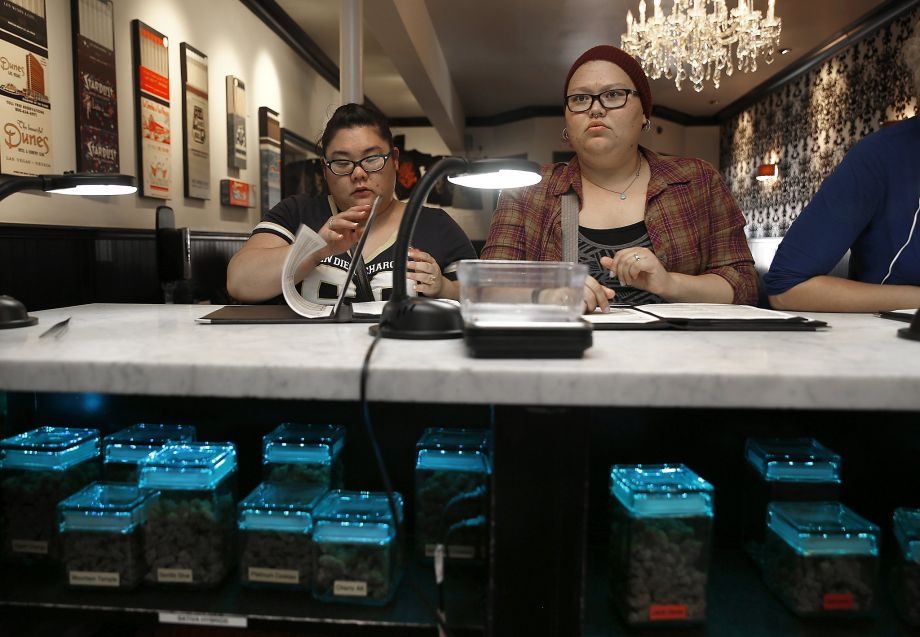
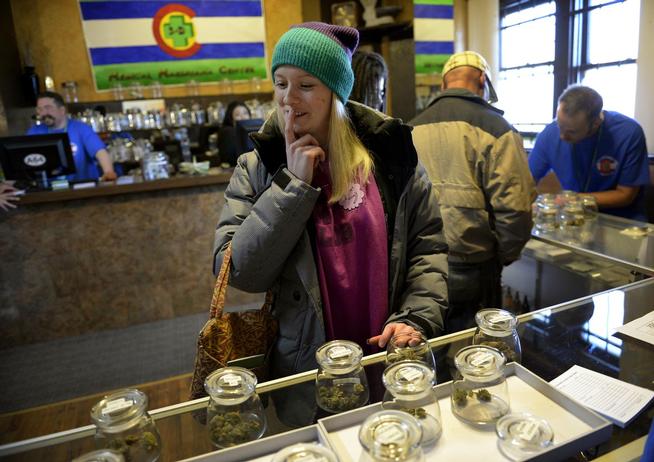
Ottawa now has its first medical marijuana dispensary.
Health Canada still considers these businesses “illegal”, but as a pain physician I think it is time for a change in thinking, and policy.
Our nation’s capital needs to catch up with more progressive cities like Vancouver and Toronto, and realize that medical marijuana offers a much-needed opportunity for relief to its citizens suffering from chronic pain.
Chronic pain is challenging and expensive to treat; it affects one in five adult Canadians – and as many as 65 per cent of the elderly – and costs our country $60 billion a year.
Canadians are currently the second highest per capita users of opioid analgesic medicines in the world. Yet opioids, and all other treatments combined, only reduce patients’ pain by an average of 30 per cent while causing side effects in up to 80 per cent of patients.
In view of the lack of progress we’ve made in managing chronic pain, one would think the medical profession would leap on any new treatments that could offer relief to their patients.
But despite the fact that scientific evidence shows that marijuana is effective for pain with minimal side effects in most patients, doctors have shown surprising reticence to prescribe it as a treatment.
Many doctors point out, justifiably, that Health Canada has put them in a bind by asking them to assume the burden of prescribing a treatment about which they know too little of the risks.
Some might worry that prescribing will lead to more crime, since chronic pain medications (mostly opioids) are already frequently “diverted” into black market sales.
But all too often the refrain I hear from my fellow doctors is that they don’t want to encourage their patients who want to “stay home and get high”.
I think it is time to stop worrying, and start prescribing.
To those who are concerned about the safety of medical marijuana, there’s more scientific evidence backing up its use than you may think.
The Canadian Pain Society’s most recent guidelines establish marijuana as an important therapy for chronic pain, noting that there is the “increasing evidence of efficacy in …neuropathic pain.”
This year alone, there were at least four high-quality Canadian studies published on medical marijuana.
To those who worry about crime, I point to the example of Colorado.
After that state legalized marijuana, crime rates fell by as much as 9.5 per cent and traffic fatalities (widely expected to increase with all the “impaired” drivers) actually fell by 3 per cent.
So let us see the opening of Ottawa’s first medical marijuana dispensary as an important step forward, not just for Ottawa, but for chronic pain patients everywhere.
Writing in Scientific American in 1990, Canadian pain researcher Ronald Melzack, PhD, wrote: “people suffer not because their discomfort is untreatable but because physicians are often reluctant to prescribe (effective treatment.)”
Twenty-five years later this statement is unfortunately still accurate – but no longer needs to be.
News Moderator: Jacob Redmond 420 MAGAZINE ®
Full Article: City’s First Medical Dispensary A Major Step Forward In Pain Treatment
Author: Dr. Marc Engfield
Contact: Contact Page
Photo Credit: Craig F. Walker, The Denver Post
Website: Ottawa Sun News
Colombia To Legalize Cultivation And Sale Of Medical Marijuana
Colombia’s government is planning to legalize the cultivation and sale of cannabis or marijuana for medicinal and scientific purposes.
The country’s officials announced the news on Thursday, The Washington Post reported. The plan is set to become an executive decree that Colombian President Juan Manuel Santos will eventually sign into law. Justice Minister Yesid Reyes said that the decree will regulate licensing for pot growers, as well as the eventual export of products made from marijuana.
The decree was signed by Reyes along with the Minister of Health and Minister of Agriculture, according to MarketWatch. New Colombia Resources’ subsidiary, Sannabis SAS, was invited last week to the Ministry of Justice to inform them of the nation’s recent decree regarding the drug. New Colombia is a U.S. company responsible for specialty metallurgical coal, medical marijuana, and hemp assets.
MarketWatch wrote that Sannabis is “proud to become the pilot for this new industry.” The company has been utilizing the techniques and protocols instituted in the decree’s articles. Sannabis also has the support of regulatory agencies.
“We were the first ones to introduce the concept of legalizing medical marijuana in Colombia, and with thousands of plants in production and hundreds of patients, we couldn’t be happier with today’s developments. Our phones are ringing off the hook as we get ready for the next chapter of making Sannabis the best brand of medical marijuana products on the market,” said John Campo, President of New Colombia, as quoted by the news outlet.
Sannabis has been cultivating medical marijuana and producing first-rate products for more than 2 years in Colombia, MarketWatch noted. The company aspires to lead the manufacturing of medical marijuana products in the country.
Colombia’s new policy is now in line with the changes in Mexico, Uruguay, and Chile, countries that legalized and decriminalized some drug use in an effort to fight its menacing presence in Latin America, The Washington Post reported. Colombia’s drug-related violence has dropped over the past 15 years thanks to the no-tolerance policy instituted by the U.S.
Sen. Juan Manuel Galan said that 400,000 Colombians suffering from epilepsy and other ailments could benefit from the clearer regulatory framework to be presented by the decree. For two decades, the people have been permitted to acquire small amounts of any narcotic for personal use due to a series of Constitutional Court rulings guaranteeing the “free development of one’s personality,” the news outlet added.
Colombian officials, however, stressed out on Thursday that the recent decree doesn’t mean that the country will further liberalize recreational use of marijuana, The Washington Post noted. The decree will only apply to scientific and medicinal usage of the drug.
News Moderator: Jacob Redmond 420 MAGAZINE ®
Full Article: Colombia To Legalize Cultivation And Sale Of Medical Marijuana
Author: Ma. Elena
Contact: Email The LP
Photo Credit: The Oregonian
Website: The Latino Post
Mexico’s Supreme Court Opens Door to Legalizing Marijuana Use
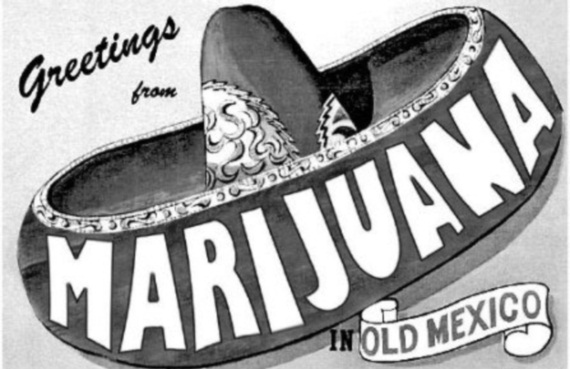
The Mexican Supreme Court opened the door to legalizing marijuana on Wednesday, delivering a pointed challenge to the nation’s strict substance abuse laws and adding its weight to the growing debate in Latin America over the costs and consequences of the war against drugs.
The vote by the court’s criminal chamber declared that individuals should have the right to grow and distribute marijuana for their personal use. The ruling is a first step — applying only to a single cannabis club that brought the suit — and does not strike down Mexico’s current drug laws. But it lays the groundwork for a wave of legal actions that could ultimately legalize marijuana.
The decision reflects a changing dynamic in Mexico, where for decades the American-backed war on drugs has produced much upheaval but few lasting victories. Today, the flow of drugs to the United States continues, along with the political corruption it fuels in Mexico. The country, dispirited by the ceaseless fight with traffickers, remains engulfed in violence.
“It’s the drama behind all of our efforts,” said Juan Francisco Torres Landa, a corporate lawyer who was one of the plaintiffs in the Supreme Court case.
The marijuana case has ignited a debate about the effectiveness of imprisoning drug users, in a country with some of the most conservative drug laws in Latin America. But across the region, a growing number of voices are questioning Washington’s strategy in the drug war. With little to show for tough-on-crime policies, the balance appears to be slowly shifting toward other approaches.
Uruguay enacted a law in 2013 to legalize marijuana, though the creation of a legal marijuana industry in the small country has unfolded slowly. Chile gathered its first harvest of medical marijuana this year. In Brazil, the Supreme Court recently debated the decriminalization of marijuana, cocaine and other drugs. Bolivia allows traditional uses of coca, the plant used to make cocaine, while in the northern part of the hemisphere, Canada’s new prime minister has pledged in the past to legalize marijuana.
Many leaders in Latin America have called for a shift in the war on drugs, including President Juan Manuel Santos of Colombia. In May, his government ordering a halt to the aerial spraying of illegal coca fields, rejecting a major tool in the American-backed antidrug campaign because of concerns that the herbicide spray causes cancer.
Though Mr. Santos is one of Washington’s closest allies in the region, he has pointed out the incongruity of jailing poor farmers for growing marijuana while it is slowly being decriminalized in the United States.
Mexicans seeking a new strategy have also been struck by the situation.
“We are killing ourselves to stop the production of something that is heading to the U.S., where it’s legal,” said Armando Santacruz, another plaintiff in the case.
Still, few think that legalizing marijuana will significantly reduce drug violence or weaken the gangs. Although the rising production of higher-quality marijuana in the United States reduces demand for Mexican imports, experts say that Mexican gangs continue to account for an important percentage of the American supply.
“It’s clearly a significant part of the business,” said Peter Reuter, an expert on the global drug war at the University of Maryland and a senior economist at the RAND Corporation. “It’s enough to fight about.”
Marijuana is just one of many sources of income for the gangs, which smuggle drugs across the border to the United States and run kidnapping and extortion rings at home. The criminal infrastructure will persist whether or not marijuana use is legal.
But for critics of the current laws, that is hardly a reason to continue to criminalize marijuana use.
“The existing laws don’t reduce violence, either,” said Catalina Pérez Correa González, a law professor at CIDE, a university in Mexico City.
The legal ruling on Wednesday barely referred to the bloody backdrop of the drug war. Instead, Justice Arturo Zaldivar wrote an 88-page opinion based on principles of human rights, arguing that the state recognizes an individual’s autonomy to engage in recreational activities that do not harm others.
The number of marijuana users in Mexico is believed to be small. One 2011 drug use survey estimated that just 2 percent of Mexicans had smoked marijuana in the past year. Although that figure is probably low, it is a smaller percentage than the 7.5 percent of people in the United States who said in a 2013 survey that they had used marijuana in the previous month.
If Mexicans are allowed to grow and consume their own marijuana, casual users will not have to commit a crime to obtain the drug. Marijuana users are currently vulnerable to extortion by the police and are locked up by the thousands every year on charges of consumption and possession.
“There is an enormous institutional and social cost to enforcing the laws against marijuana,” said Ms. Pérez Correa, whose surveys of state and federal prisons suggest that 60 percent of the inmates sentenced for drug crimes were convicted in cases involving marijuana. “How many resources are being used up to reduce these low-impact crimes?”
Mr. Torres Landa, one of the plaintiffs, put it more bluntly: “We want to force Congress to pursue kidnapping, murderers, rapists and other criminals.”
The ruling on Wednesday was the culmination of an effort to change the law by four members of a prominent Mexican anti-crime group, Mexico United Against Crime.
Mr. Torres Landa and Mr. Santacruz formed a cannabis club with two other people, called the Mexican Society for Responsible and Tolerant Consumption — the Spanish acronym is Smart.
The group applied for a license from Mexico’s drug regulatory agency, but, as expected, was turned down. Their appeal of that decision eventually reached the Supreme Court.
“We have been trying to struggle against illegality, and the results were almost negligible,” said Mr. Torres Landa, who says he has never tried marijuana and does not intend to. “Five or six years ago, we asked why? The answer, as the Americans say, was in the money.”
But the ruling on Wednesday applies only to their petition. For legal marijuana to become the law of the land, the justices in the court’s criminal chamber will have to rule the same way five times, or eight of the 11 members of the full court will have to vote in favor.
If the court decisions continue in that direction, they will be flying in the face of public opinion. Mexicans are so opposed to legalizing marijuana that a leading pollster told the Smart group not to bother with a survey, Mr. Santacruz recalled, or to limit it to young people.
The Mexican government, legislators and security and health officials all came out against legalization, as did the Roman Catholic Church. Indeed, the authorities have not permitted even the use of medical marijuana.
But Mr. Santacruz is determined to change people’s minds.
Invoking the specter of Mexico’s most notorious drug kingpin, Joaquín Guzmán Loera, known as El Chapo, Mr. Santacruz likes to remind people: “Bad regulation is better than whatever regulation El Chapo and the narcos can provide.”
News Moderator: Jacob Redmond 420 MAGAZINE ®
Full Article: Mexico’s Supreme Court Opens Door to Legalizing Marijuana Use
Author: Elizabeth Malkin and Azam Ahmed
Contact: Contact NYT
Photo Credit: None Found
Website: The New York Times
Mexico: Families Hoping For Medicinal Marijuana
As Mexico’s top court prepares to consider arguments that could open the door to the recreational use of marijuana, some families are hoping such a step could help make medicinal marijuana more accessible.
The parents of 8-year-old Graciela Elizalde of Monterrey have already seen a difference in their daughter since she began taking a marijuana extract recently. A federal judge gave them permission to import the marijuana oil.
“We’re very happy because what we’re seeing is that Grace is sleeping continuously through the nights, something she had not done in months,” said her father, Raul Elizalde, using the child’s nickname. Graciela suffers from a severe form of epilepsy that causes intense seizures.
The Elizaldes are not part of the case on recreational use that Mexico’s Supreme Court this week put off hearing until at least next week, but they hope it could make things easier for them and other families.
“The debate before the Supreme Court right not is about recreational cannabis,” Raul Elizalde said. “What we’re looking for is medicinal cannabis, but if it (the court) opens the door for recreational cannabis it would be welcome because by default it would benefit us, too.”
Mexico has decriminalized the possession of some drugs, including marijuana, for personal use since 2009.
Elizalde said the family arrived at the decision to try marijuana for their daughter only after exhausting every other option.
“The first person who changed his way of thinking was me,” he said. “I was someone who thought that cannabis did not serve for anything, that it couldn’t be a good thing for someone.”
Reynold Guadalupe Nava, a 4-year-old who also lives in Monterrey, is another child whose mother thinks he could benefit from medicinal marijuana.
Mirna Alvarado said Graciela’s case had opened the door and she hopes authorities will begin looking favorably on others as well. She said through talking to other families with children suffering from similar conditions they heard that cannabis oil could help Reynold.
“We know there are about 40 families right now that have been organizing around Grace’s parents,” said Dr. Carlos Aguirre Velazquez, chief of pediatric neurology at Monterrey’s Children’s Hospital.
“We don’t know what the final result will be, but I believe it’s time to set aside a bit the debates and take clear positions,” he said. “To say, we, from a health perspective, are in favor of a therapeutic resource used scientifically for the health of any neurological case that requires it.”

News Moderator: Jacob Redmond 420 MAGAZINE ®
Full Article: Mexico Families Hoping For Medicinal Marijuana
Author: The Associated Press
Contact: Contact Page
Photo Credit: The Associated Press
Website: Inquirer
The Netherlands And Israel: A Marriage Of Cannabis Powerhouses
Reporting from a 5 day fact finding mission in the Netherlands exploring the medical cannabis program and the players in the industry, together with Saul Kaye, our CEO and Jason Ryker, our CFO/COO.
Since we announced our partnership with Israel’s Cannabis Medical Unit and our subsequent postponement of the CannaTech Summit until March, we find ourselves with the time opportunity to investigate interesting markets and build new international relationships.
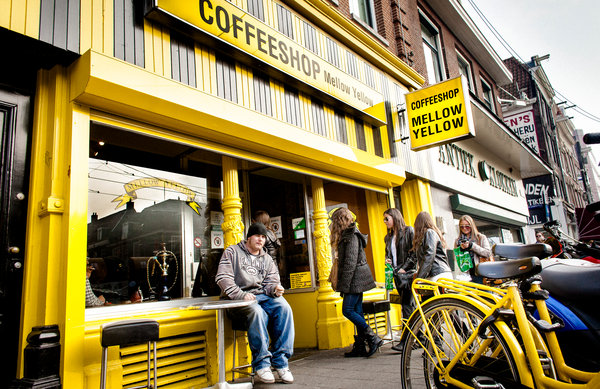
Our trip began with a walking tour of the tourist Coffeeshops, where legal recreational cannabis is sold ‘legally’. During the week we met with Bedrocan, the only licensed medical cannabis grower in the country. We also met with a number of great companies involved in seed breeding, ecommerce, culture and clinical trials / research.
The law in Netherlands is complex, cannabis is still illegal, however its sale, possession and use has been decriminalized for decades. We’d been expecting to find a developed, mature industry, instead we found a system broken and in desperate need of innovation.
Whilst Cannabis has been widely available in Netherlands for over 30 years, its quasi-legalization has resulted in an unknown supply chain. Literally, nobody officially knows who supplies the coffeeshops. When nobody knows, nobody regulates, leading to standardization loss and non-existent quality control. These establishments are little more than street dealers with social legitimacy pushing a product that nobody really understands beyond it’s super-high effect.
Compound that with the government’s active quashing of cannabis tourism means that whilst the country earns significant revenues from tourism, the massive potential to earn is lost. Cannabis sales are not subject to tax and the coffeeshops are shabby with cliché Bob Marley music breaking eardrums.
Where’s the shiny, upscale coffeeshops? we kept asking ourselves. Where’s the middle class cannabis culture? We pondered throughout the week. It would seem the perception of cannabis is in some cases worse in this country than any other with full illegality. Cannabis is viewed as a low quality, tourist, stoner drug. The use of cannabis as a medicine is barely understood and certainly not appreciated. Research is now only just beginning as universities are now allocating resources and research assistants.
We met with GHMedical, a young vibrant team on a mission to map every cannabis strain and how it acts upon each cannabinoid receptor in the brain. To picture the task at hand, imagine the human genome project but one where the result is a complex matrix of cannabis medicine targeting hundreds of medical indications (illness / disease) GHMedical are currently raising investment and hoping to partner with research institutions around the world….Israeli innovators be ready, there’s opportunity here.
We met with a number of other entrepreneurs, social activists and innovators all with an eagerness to do business. Everyone we met was supportive of Israel generally with a fully 100% non-BDS attitude toward our innovation nation. We’re seeing every day the unequivocal international respect for Israel’s Hebrew University and specifically the fame of Professor Rafi Mechoulam.
We met with the team at Strain Hunters & GreenHouse Seeds. Strain Hunters is a fantastic youtube channel documenting the founder’s journeys around the world in search of virgin, un-modified cannabis seeds. Their core business GreenHouse is one of the world’s foremost seed banks and exporters. These guys are looking to expand their operations in an opening up world, together with identifying new techniques to optimize their seed genetics…. Israeli innovators be ready, there’s opportunity here.
The highlight of the trip was our visit to the Ministry of Health, Wellness and Sport. Here we met with the head of the medical cannabis unit. This is the department with one of the oldest medical marijuana programs in the world. This is the department that is mandated NOT to advertise itself, has no proactive obligation to educate or support; users, doctors, growers or suppliers. Boasting a paltry 2000 medical cannabis patients in a program that’s been in full swing for over a decade is staggering.
The positives are their understanding of the changes around the world. They see the need to better implement a patient care program, educate all stakeholders and help create a regulatory environment that can deliver real change to the country… Israel be ready, our medical cannabis program is the best in the world and countries want to come and learn how we do things.
After a long exhausting trip, we returned full of excitement for the partnerships we fostered. We’re back in Israel to work on a Dutch delegation for the CannaTech summit in March whilst making the connections today to bond our two Cannabis frontier breaking nations into the future.
News Moderator: Jacob Redmond 420 MAGAZINE ®
Full Article: The Netherlands And Israel: A Marriage Of Cannabis Powerhouses
Author: Clifton Flack
Contact: Reach TOI
Photo Credit: Damsterdamer
Website: The Times Of Israel
Croatia Legalizes Marijuana For Medical Use
Marijuana became legally available in Croatia for medical purposes Thursday. The decision to legalize followed a high-profile case in which a multiple sclerosis patient was jailed last year for growing the plant to ease his pain.
Huanito Luksetic, 37, was detained for growing cannabis plants in his garden in a village near Rijeka. Police seized around 44 pounds of marijuana from the multiple sclerosis patient, who said he used the plants to make cannabis oil.
Doctors and other patients spoke out in support of legalization after Luksetic made news, and a monthslong campaign was launched to legalize medical marijuana. “For us, patients, cannabis is one of the most important plants for our lives and health,” Luksetic told Agence France-Presse. “Everyone should have the right to choice and self-cure.”
Medicines that contain tetrahydrocannabinol (THC) can be prescribed in Croatia starting Thursday to patients suffering from chronic health problems such as cancer, multiple sclerosis, epilepsy and AIDS. Regulations limit the quantity to 7.5 grams per month, and patients can receive a prescription of up to only 30 days. It remains illegal to grow marijuana at home.
Croatian Health Minister Sinisa Varga said medical marijuana will become available in the country’s pharmacies within the next few weeks but currently is offered through eight pharmaceutical companies.
“According to information that we have from wholesale drugstores, quite a lot of them are interested in importing [cannabis-derived products] to Croatia,” he told Yahoo News UK.
Over the years, some level of cannabis legalization has won support in other European Union countries, including Spain, Portugal, the Czech Republic and the Netherlands.
The U.S. has legalized medical marijuana in 23 states and entirely in four states — Alaska, Colorado, Oregon and Washington. European Union countries are unlikely to follow suit with complete cannabis legalization, EU drug monitoring agency chief Wolfgang Gotz said.
“In Europe, I do not know any government, or parliamentary majority backing a government, that is currently seriously discussing cannabis legalization or regulation in a different way,” Gotz said in June. He cited a European Monitoring Centre for Drugs and Drug Addiction report that pointed out an increase in the numbers of cannabis-related health emergencies in Europe between 2008 and 2012.
News Moderator: Jacob Redmond 420 MAGAZINE ®
Full Article: Croatia Legalizes Marijuana For Medical Use
Author: Jackie Salo
Contact: Email Author
Photo Credit: Reuters
Website: International Business Times
Australia: Turnbull ‘Foolish’ To Stand In The Way Of Medical Marijuana
Richard Di Natale? is forging ahead with his bid to legalise medical marijuana and warns the Turnbull government would be… [Read More]
Marijuana To Be Stocked In Uruguayan Pharmacies From 2016
Marijuana pioneer Uruguay said on Thursday it had granted licenses to two companies to grow the plant for commercial distribution,… [Read More]
Australia: The Doctor Who Won’t Stop Producing Medical Marijuana
“It’s bizarre that in the 21st Century we have to hide the production of life saving medicine,” says Dr Andrew… [Read More]